






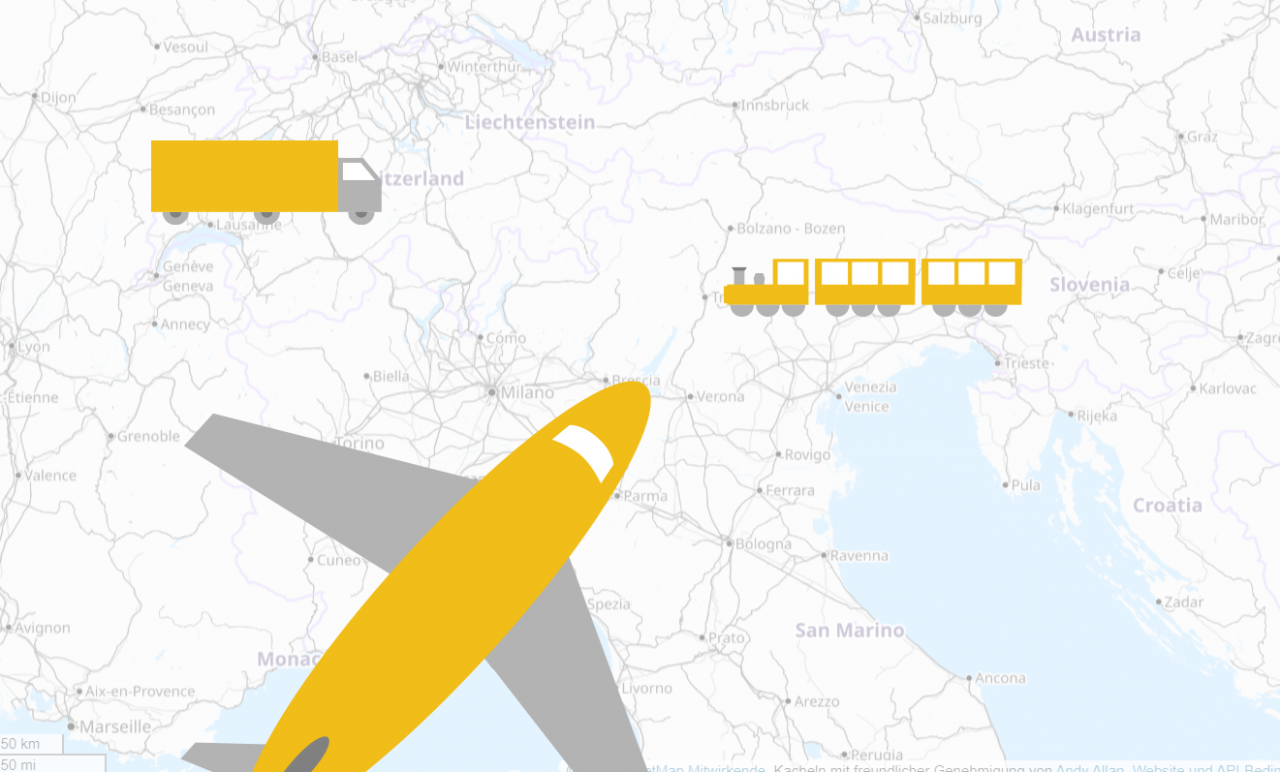
Early detection of hitchhiking pests requires the identification of strategic entry points via transport. Our INRAE team has developed a framework for achieving this in continental Europe for the Japanese beetle. Human-mediated dispersal has been responsible for its introduction into several continents over the last century, including Eur...
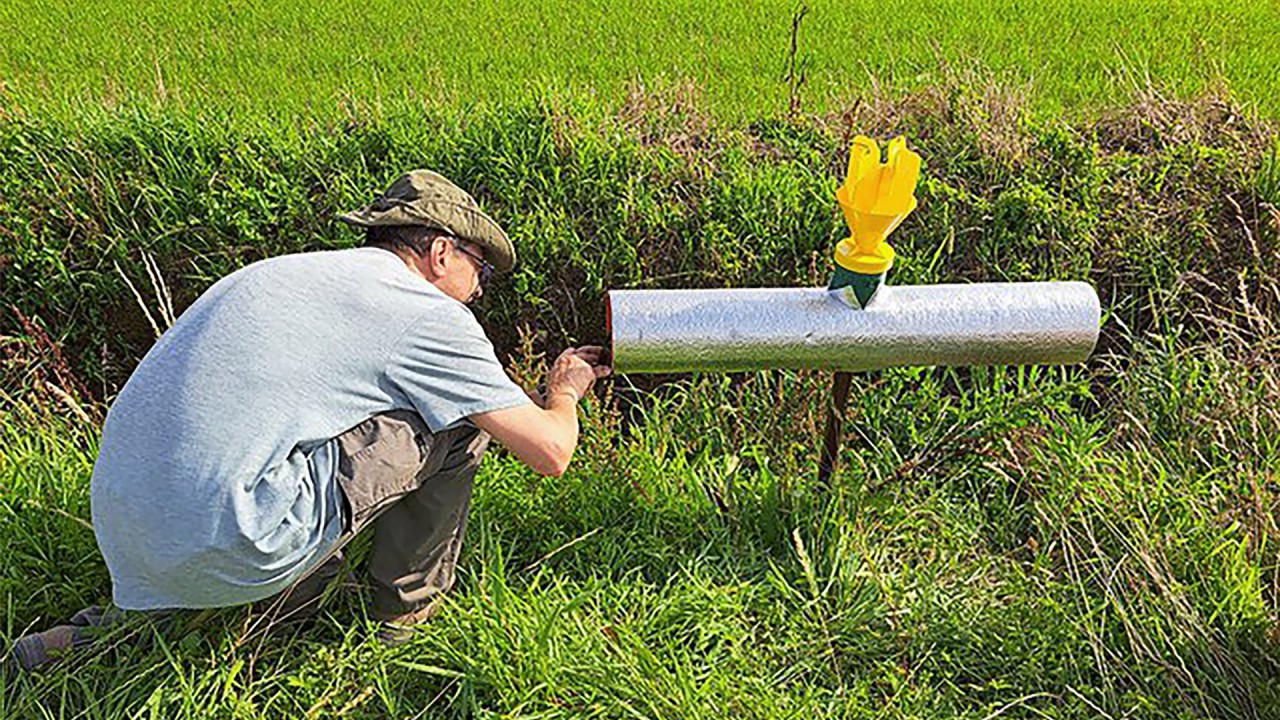
Pupils from class 2D had a good intuition! In fact, the Fungzuka device is being tested by CREA's researchers since summer 2023. The "Fungzuka" is an "Attract-Infest-Release" device that is conceived to bring adult Popillia japonica insects in contact with the spores of an entomopathogenic fungus and let them fly away carrying with them their ...
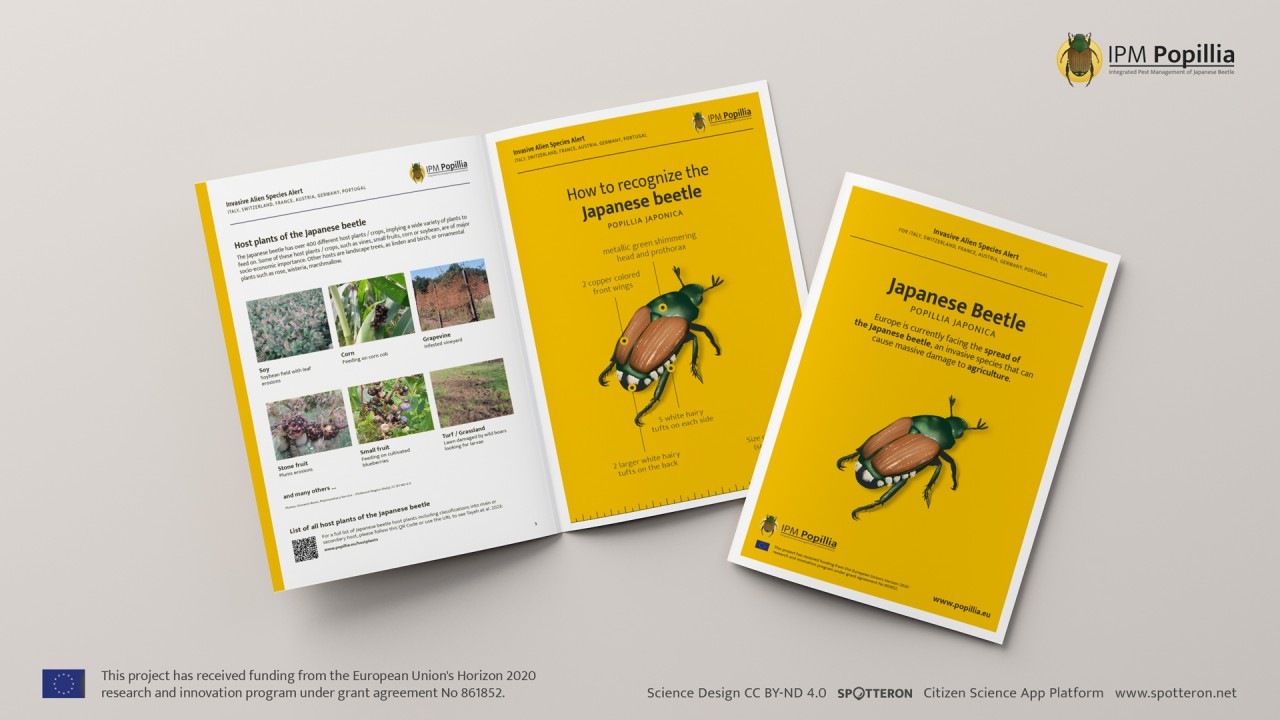
In recent months, the IPM Popillia Consortium has collaborated with SPOTTERON to create informational and dissemination materials about the invasive Japanese beetle (Popillia japonica), which has been spreading across Europe for several years. Recently, the materials were published and sent to contacts in the agricultural sector and plant heal...
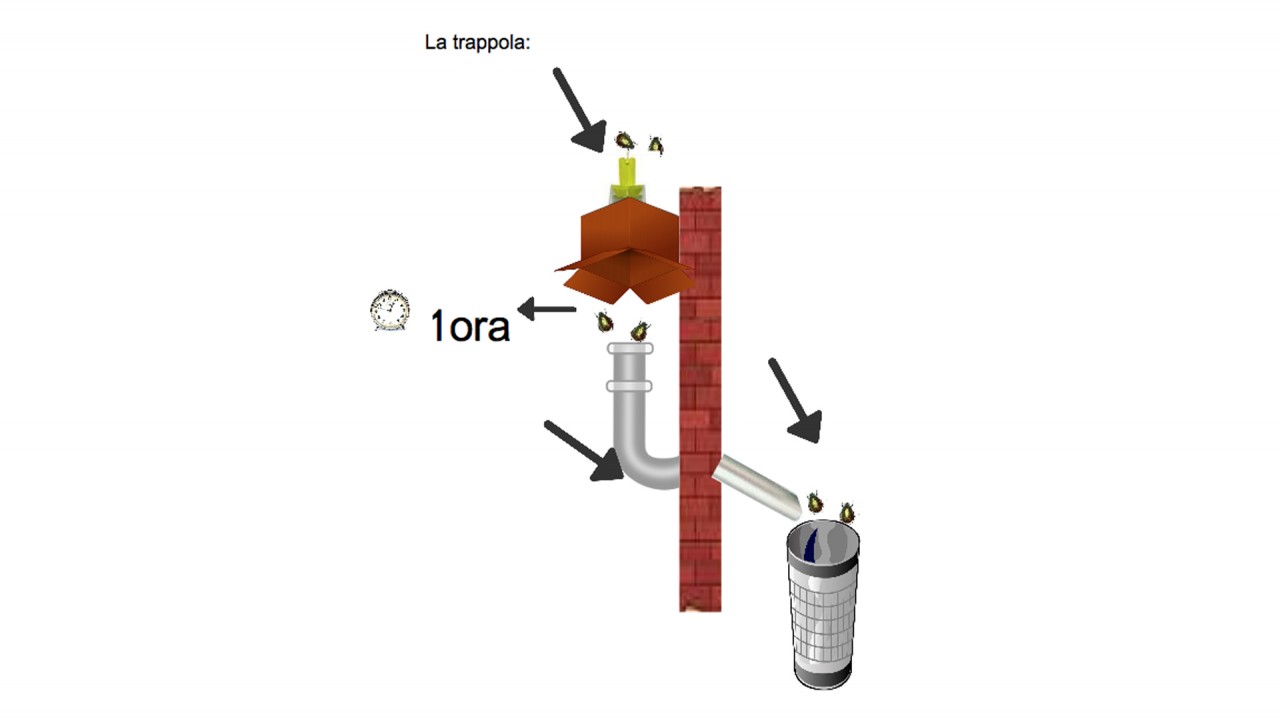
Prof. Francesco Nardi (University of Siena) and Prof. Rossella Annoni (junior high school G. Falcone, Cassina de' Pecchi, Milan) have been working together, this past year, with class 2D (12-13 years old pupils) on Popillia within the context of the dissemination program 'a scientist as pen-friend'. Pupils have been engaged on the daily practices o...
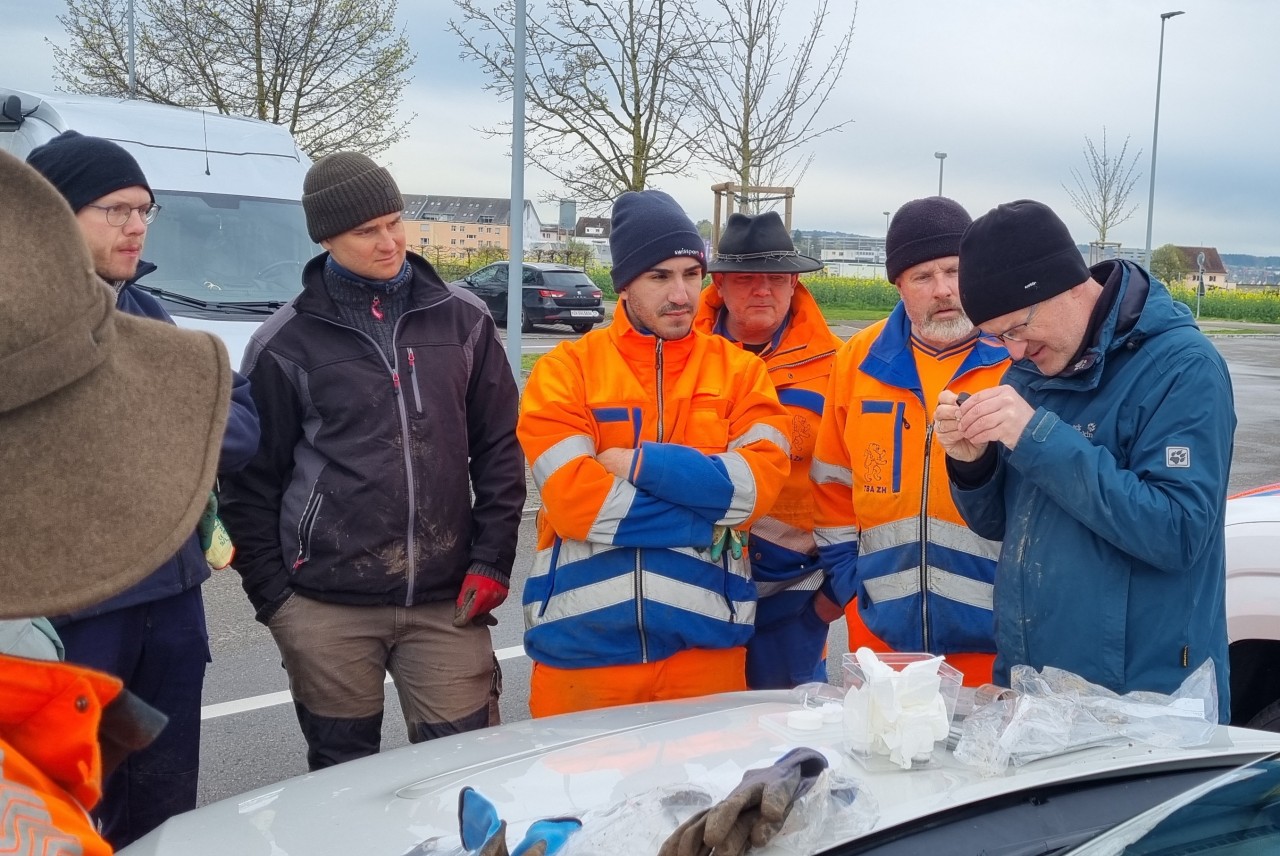
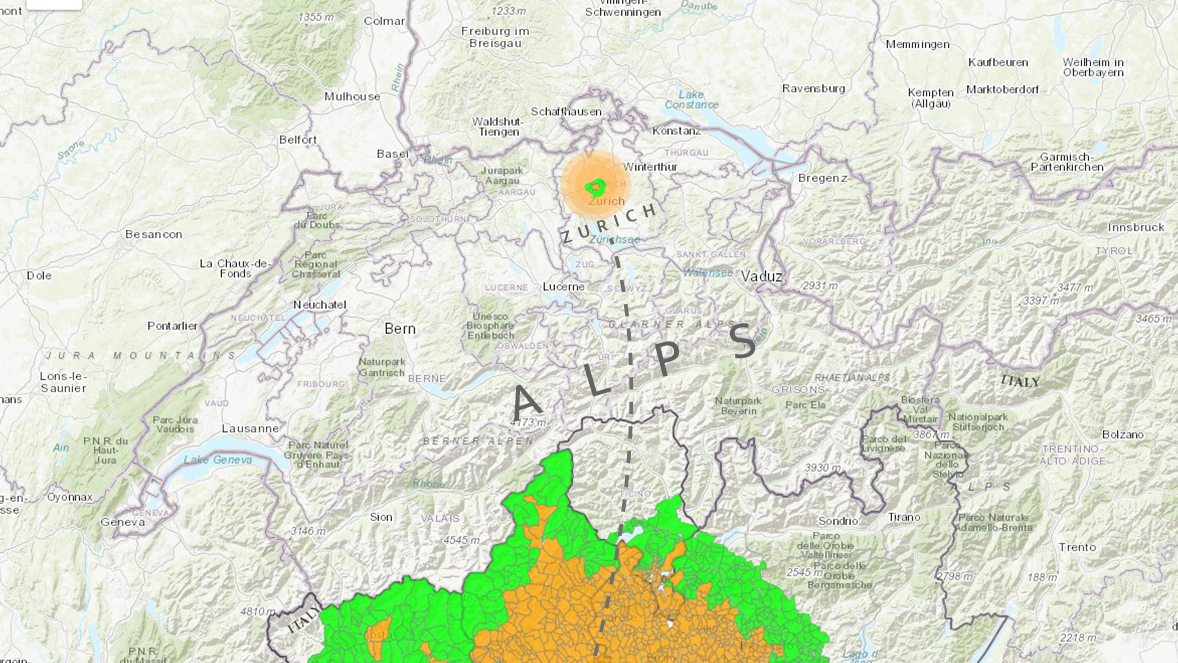
Since 2023, the village of Kloten north of Zurich is not only famous for the Zurich Airport and for having a great ice hockey team, but also for harboring the first Popillia population in Europe north of the Alps. In summer and autumn of 2023, huge efforts were made to eradicate this population, including insecticide sprays, the erection of LLINs-t...
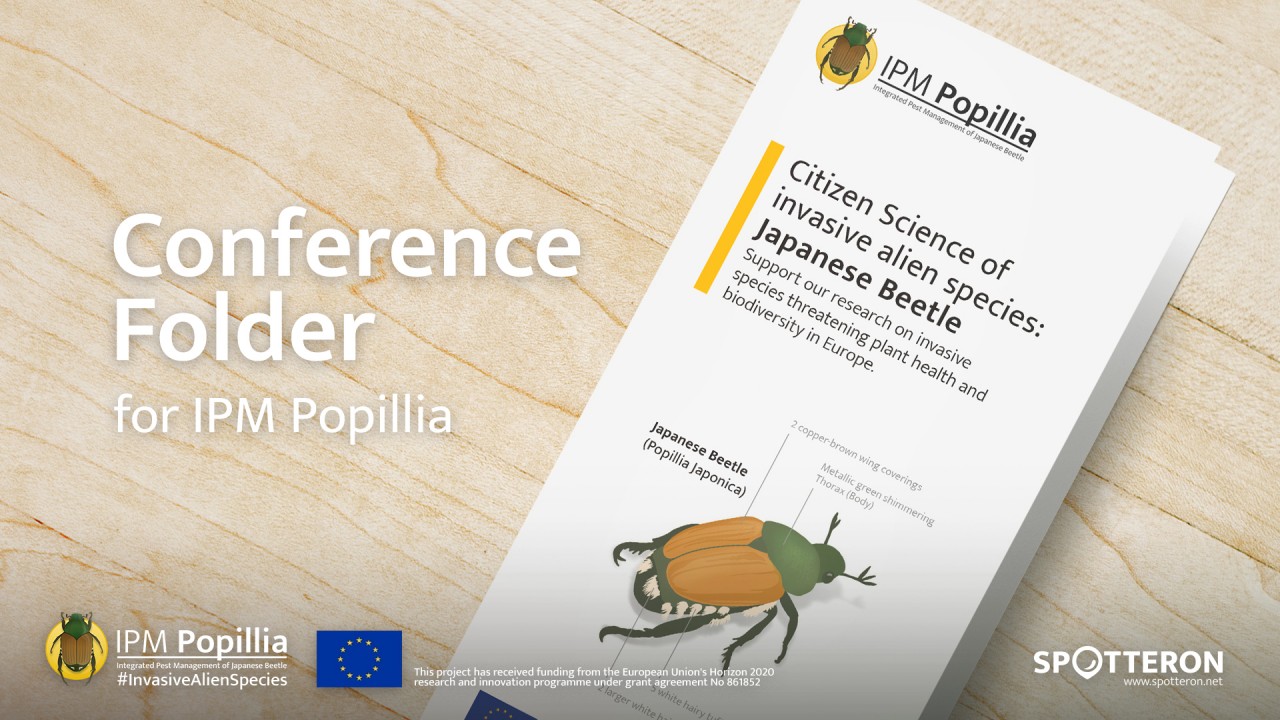
SPOTTERON designed a folder for IPM Popillia for the Italian Citizen Science Conference in Pisa, which we attended last weekend. This folder serves as an introduction to the project for fellow Citizen Science initiatives and individuals potentially interested in becoming Citizen Scientists. It includes key details about the project, insights on&nbs...
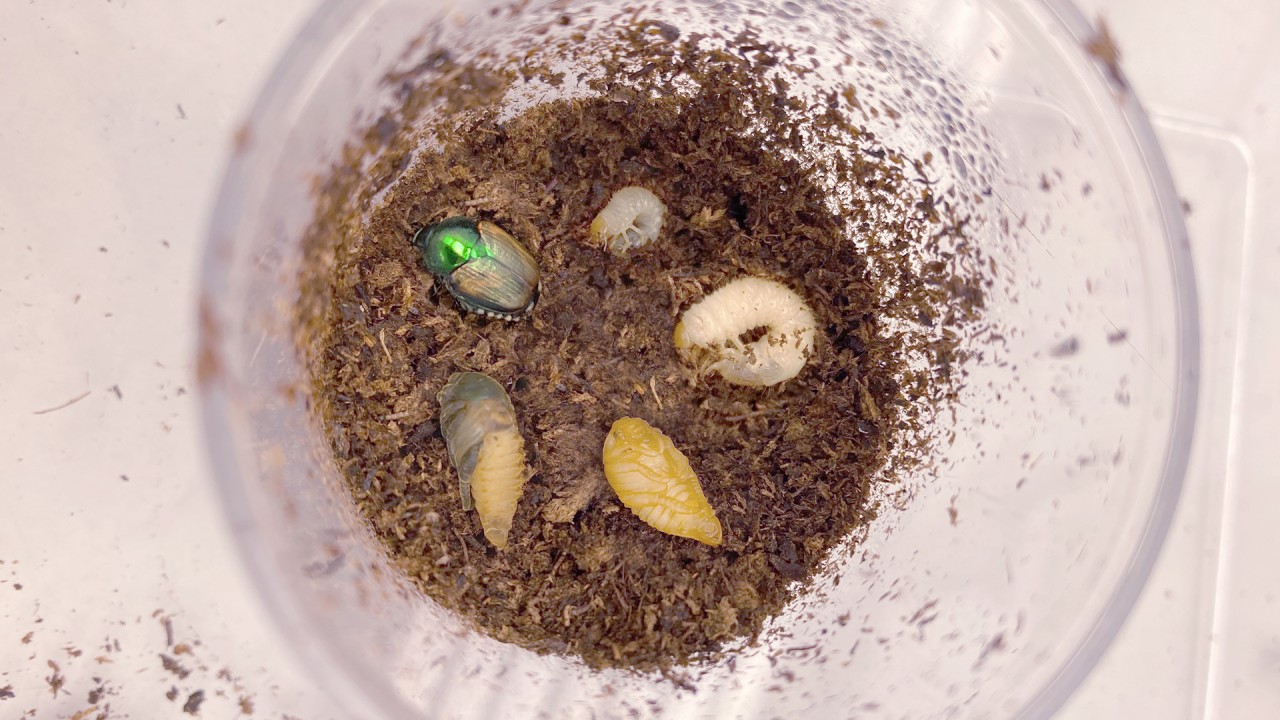
We are beyond excited to share developmental stage photos of the Japanese beetle (Popillia japonica) directly from our laboratory experiment. The Japanese beetle undergoes three larval stages, which means that the larvae do not grow steadily but develop three times until they pupate and finally emerge as adult beetles. We ...
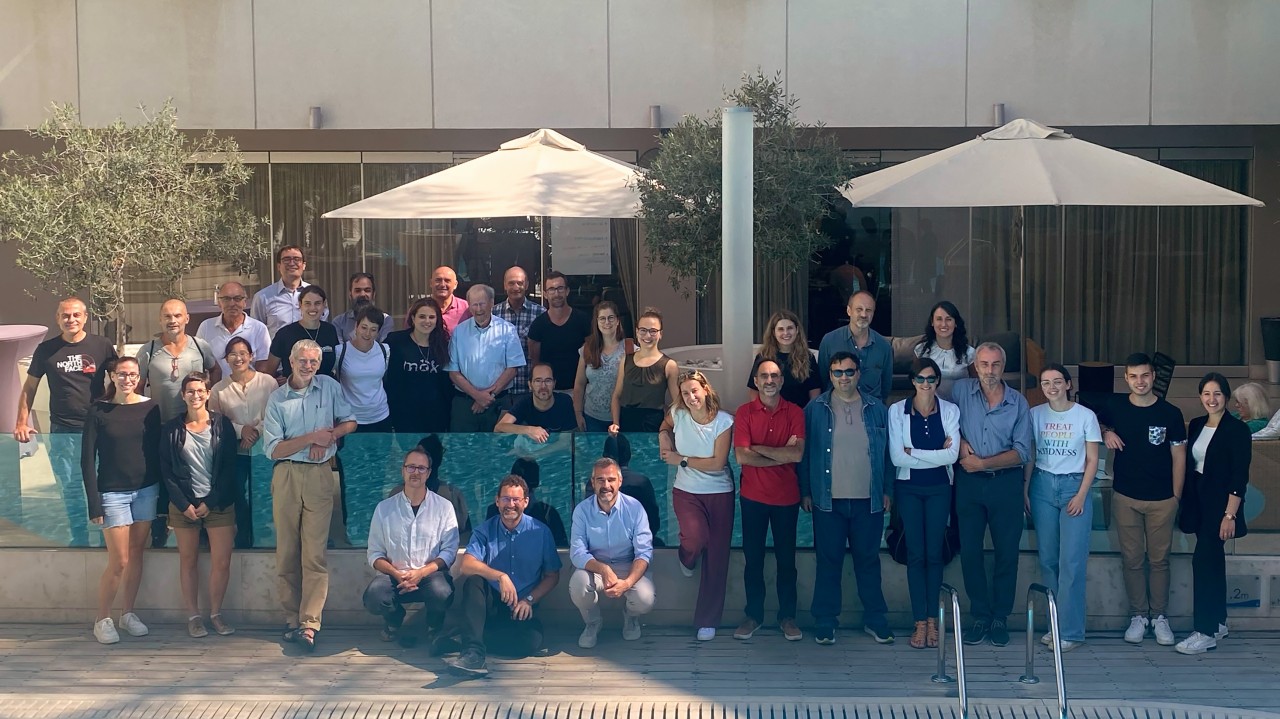
From October 18–20, 2023, members of the IPM Popillia consortium came together in Heraklion, Greece, for the yearly General Assembly of the IPM Popillia project. The event provided the possibility of gaining insight into and learning about the progress and developments made in the different interdisciplinary work packages of the project. At the sam...
For some time now, we have opened up our Popillia Japonica research to Citizen Science. With the support of volunteer Citizen Scientists, we are trying to gather more information about the distribution of the Japanese beetle through the IPM Popillia's Citizen Science App. Invasive species such as the Japanese Beetle pose a severe threat to biodiver...
We thought it would be useful to update the list of P. japonica host plants. In this respect, the dataset deposited by Tayeh et al. (2023) serves two purposes: (1) to provide a list of the host plants of Popillia japonica via a comprehensive review of the scientific literature; (2) to classify these host plants as main or secondary host, based on t...
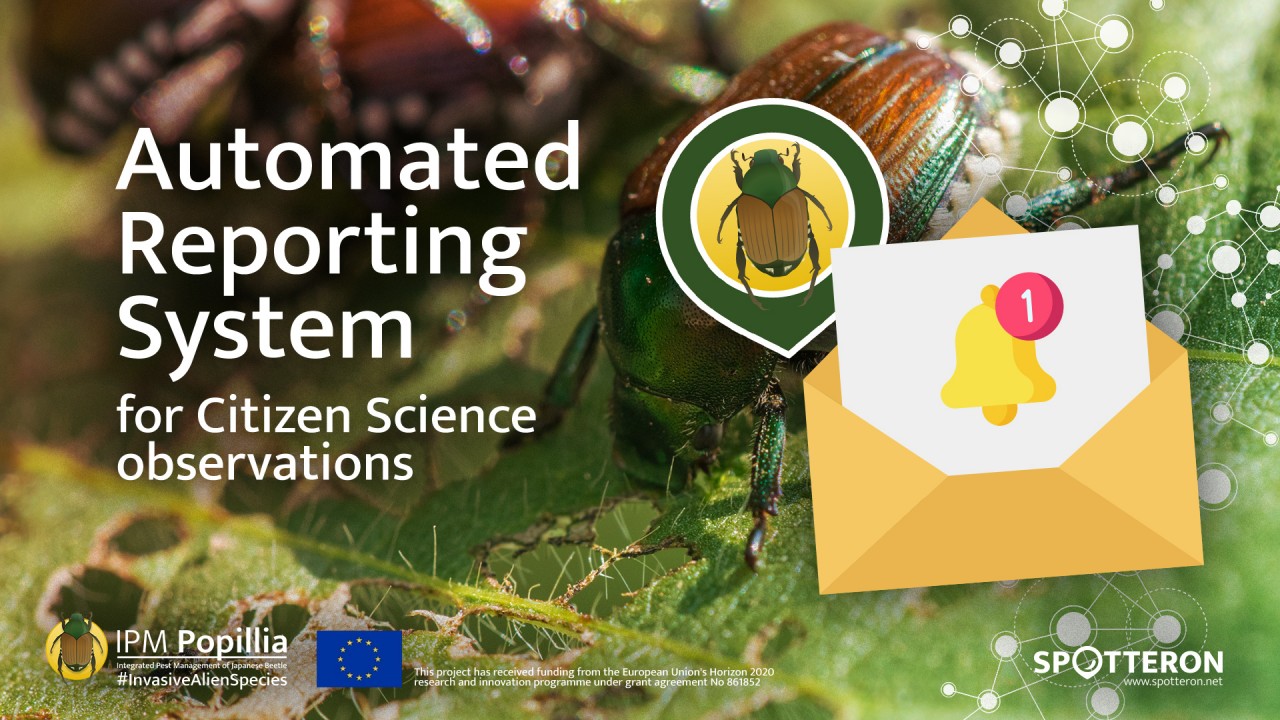
Regulatory reporting of invasive alien species or controlled pests such as the Japanese beetle to national authorities can be challenging for citizens. Therefore, in the IPM Popillia Horizon 2020 project, the "Automated Reporting System" (ARS) was developed by SPOTTERON for the IPM Popillia Citizen Science App to process automated reports and...
Europe is facing the first Japanese beetle outbreak north of the alps. The phytosanitary service of Zurich in Switzerland has detected Popillia japonica in monitoring traps and on herbs and shrubs in an area close to the airport of Zurich. The deliminated infested zone is rather small, and the low numbers of beetles caught indicate that the outbrea...
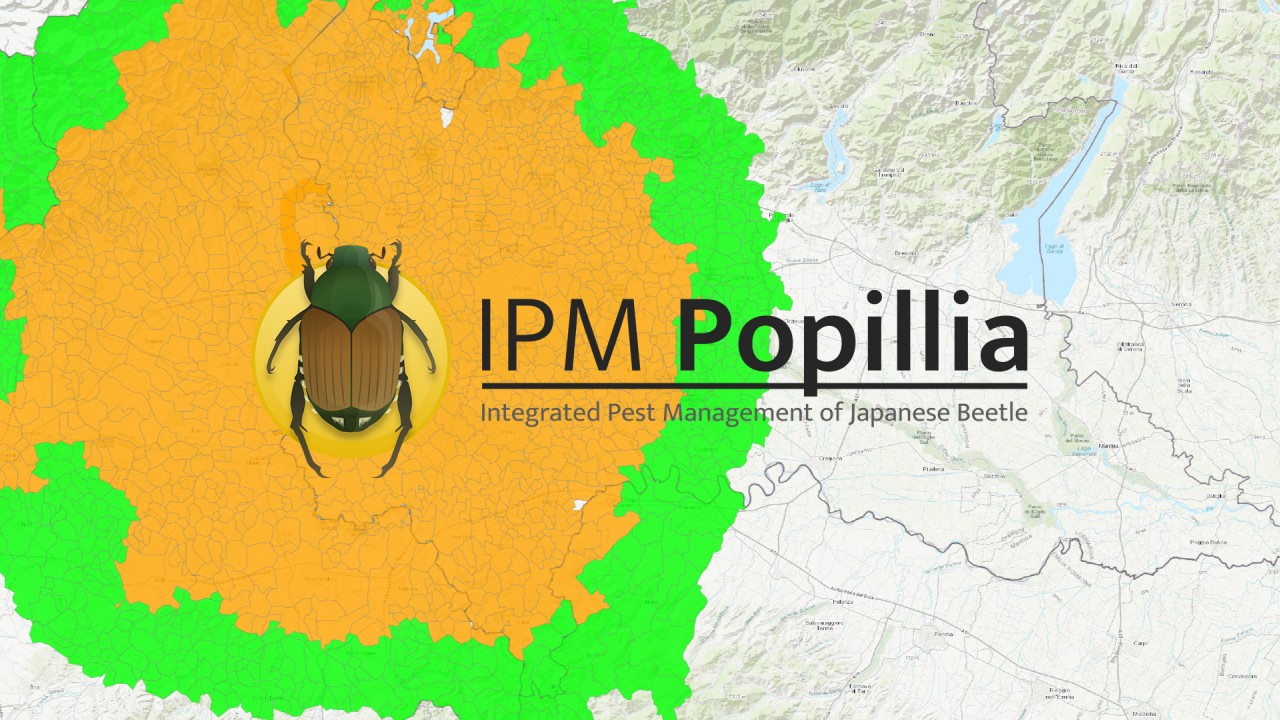
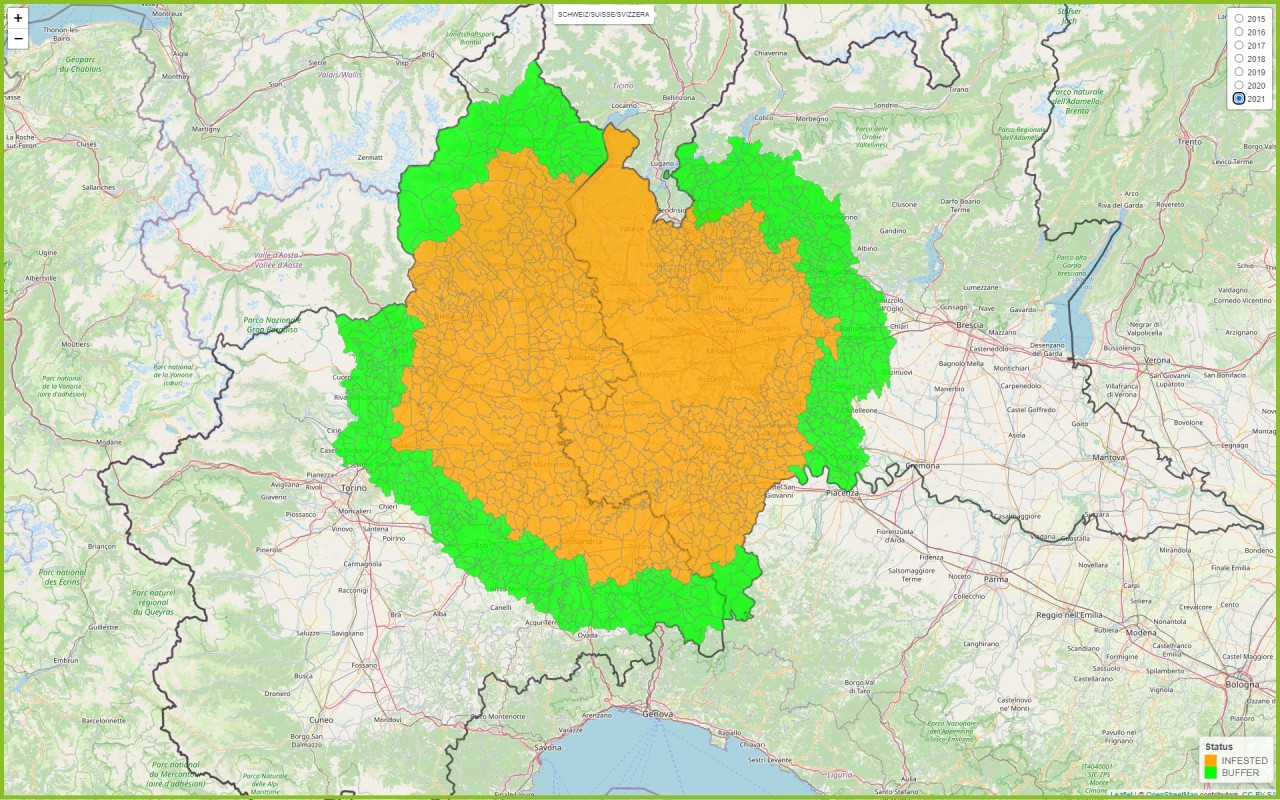
Here's our updated map illustrating the dynamics of the ongoing invasion of the Japanese beetle in Continental Europe. This current version (V3, June 2023) includes regions Piedmont, Lombardy, Emilia-Romagna, Valle Aosta (Italy), and Ticino (Switzerland) over the period 2015-2022. The map captures the dynamics of the invasion at the...
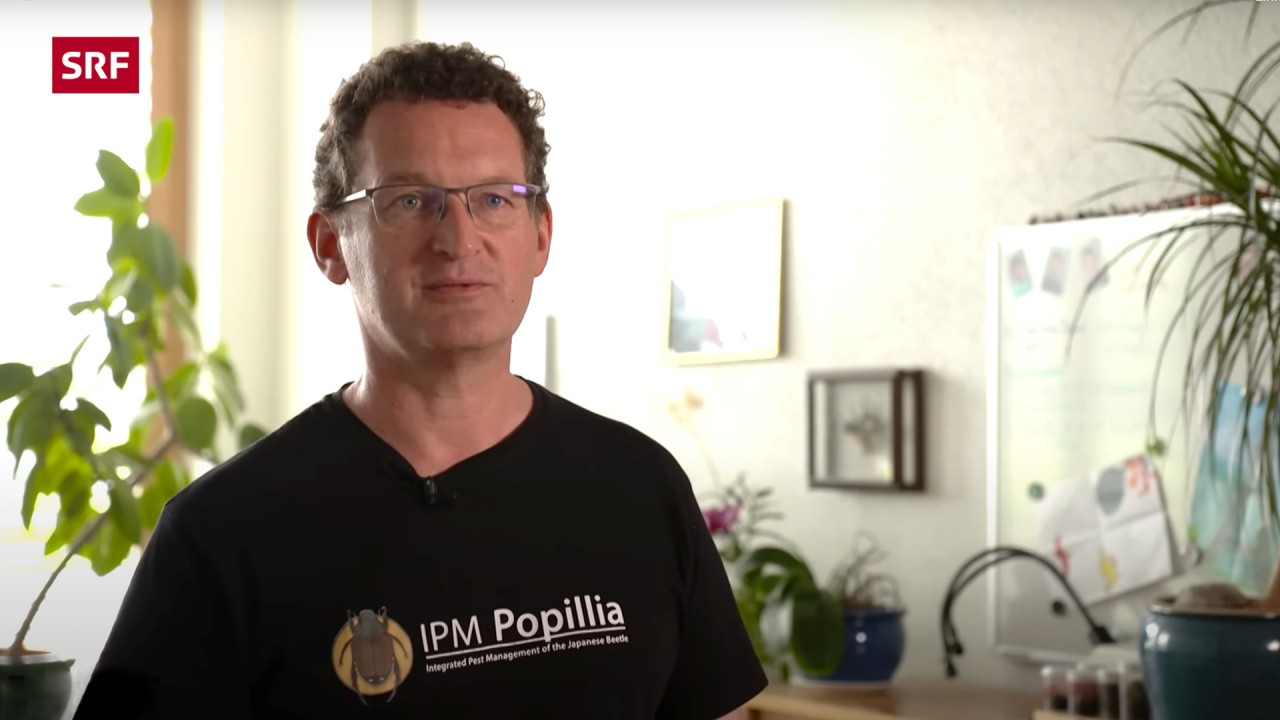
After the Azores and Italy, the Popillia japonica beetle is already present in Switzerland. SRF Wissen has recently published a documentary about invasive species in Europe, that vividly shows how important research and methods are when it comes to tackle the problem. Agroscope, coordinator of the Horizon 2020 project IPM Popillia, is rep...
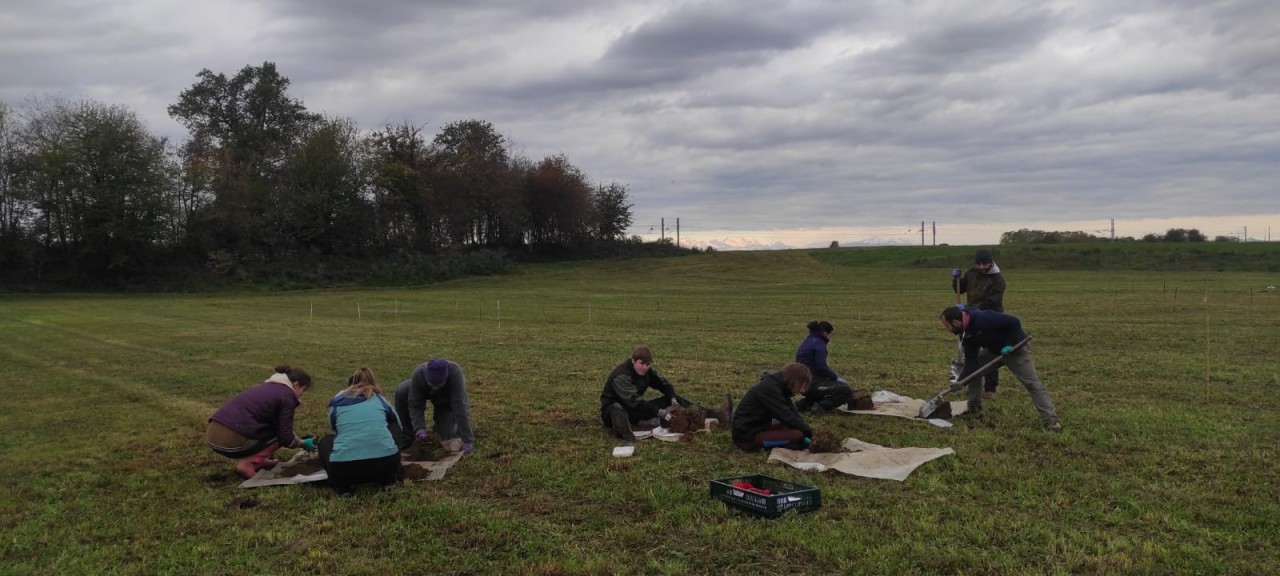
In September 2021 we started the big field experiment in the Piedmont region, a highly infested zone. Giovanni Bosio from the plant health service of the Piedmont region found meadows which were not treated yet and with willing owners to let us do experiments with different biological control agents (BCA). We treated the meadows with 2 different st...
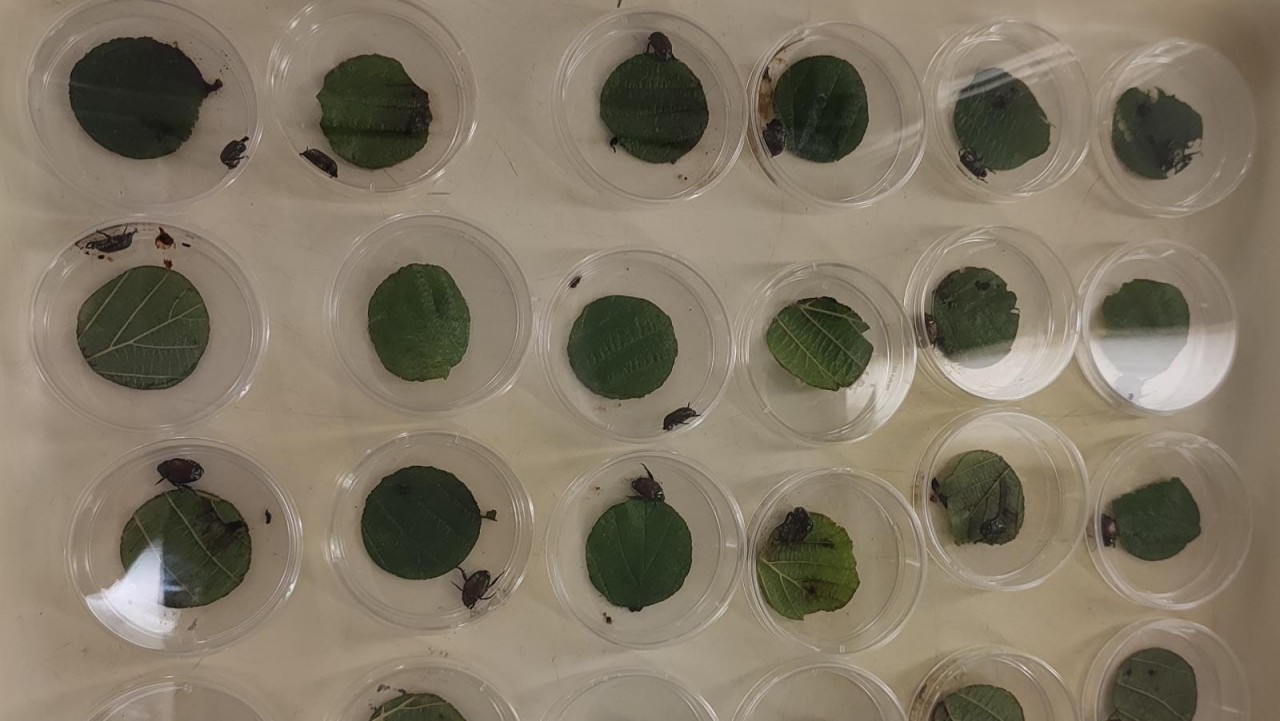
In collaboration with colleagues from CREA (Florence), we have treated popillias with three experimental control protocols that appear as promising candidates in their hands. Treated popillias have been snap frozen for molecular analysis. In the next months we will evaluate the effects of different treatments in terms of gene expression. With these...
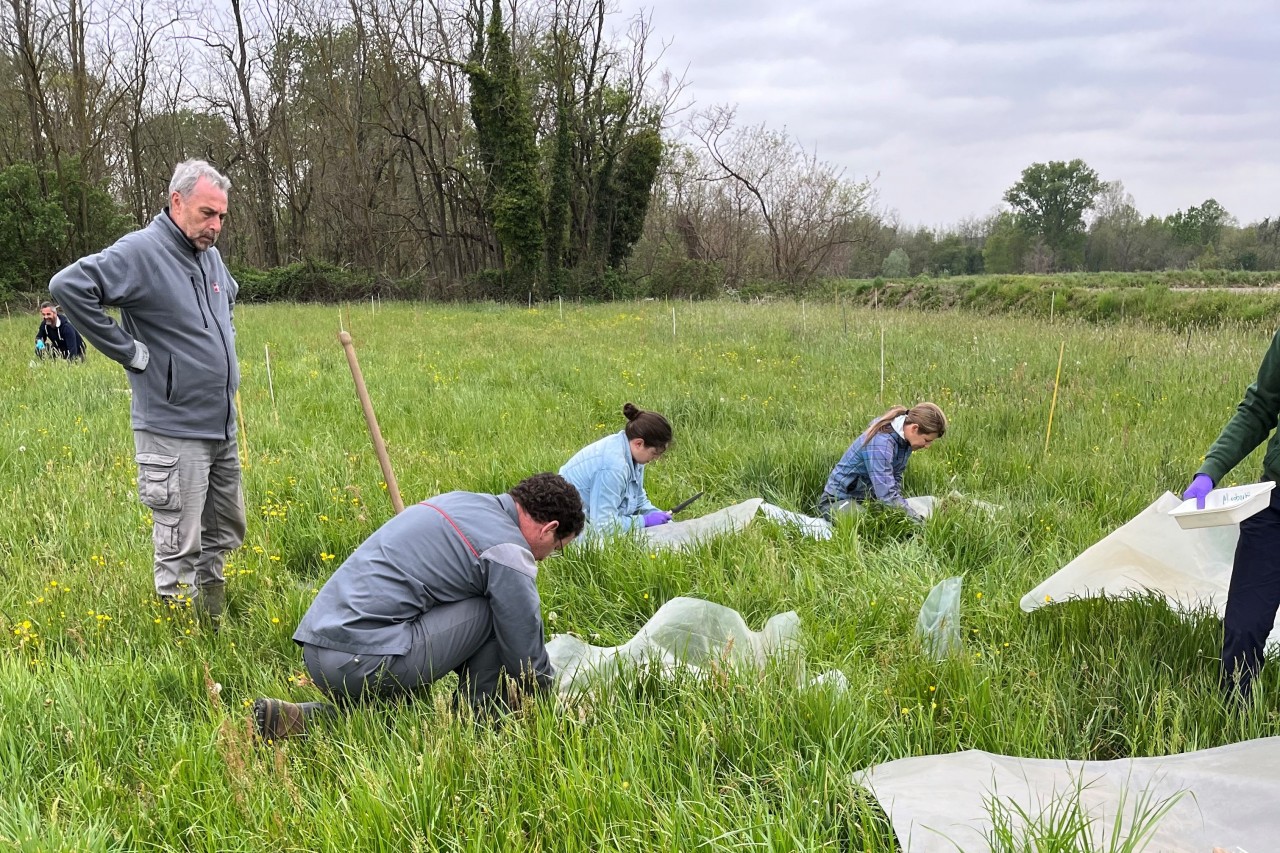
Definitely not my ususal workweek! I am an economist at the Technical University of Munich, usually sitting in an office with a computer and conducting research there. But not this time… As I am part of the IPM Popillia project, which consists of an interdisciplinary research team, I was invited by our partner Agroscope to join them in th...
The Japanese beetle was accidentally introduced to mainland Europe and detected for the first-time near Milan (Italy) in 2014. As a quarantine insect pest, its populations are strictly monitored. However, we did not find a map illustrating the dynamics of the ongoing invasion. So, we produced it! At first, the interactive map that we make available...
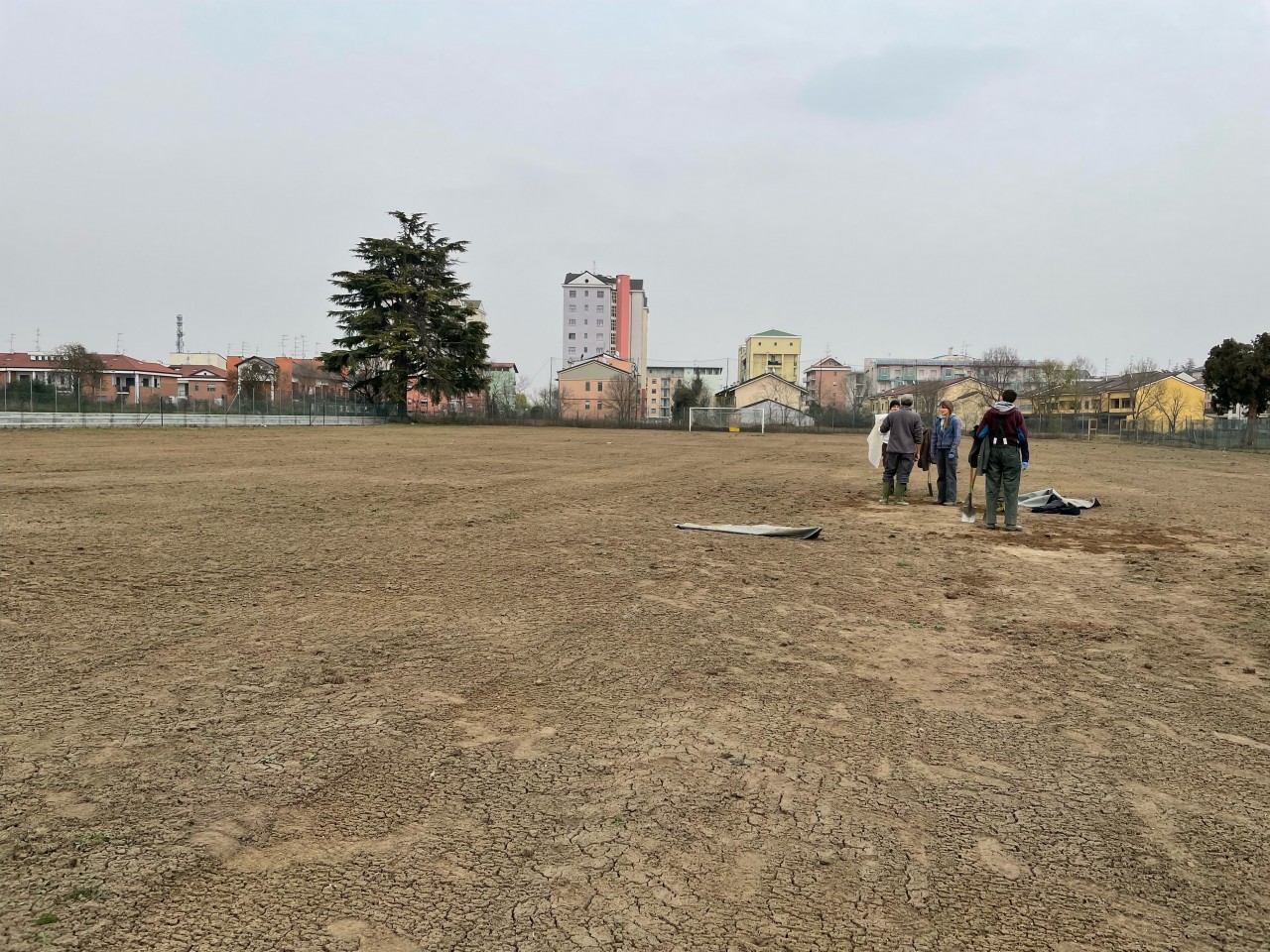
We need more larvae, a lot more larvae! That's our mission, our first in this year. This time we were headed to a field in Vercelli, Piedmont. While driving, the bus would shake and make weird noises when applying the brakes which is why we stopped a first time to inspect our tires and a second time at a mechanics to let him check properly. W...
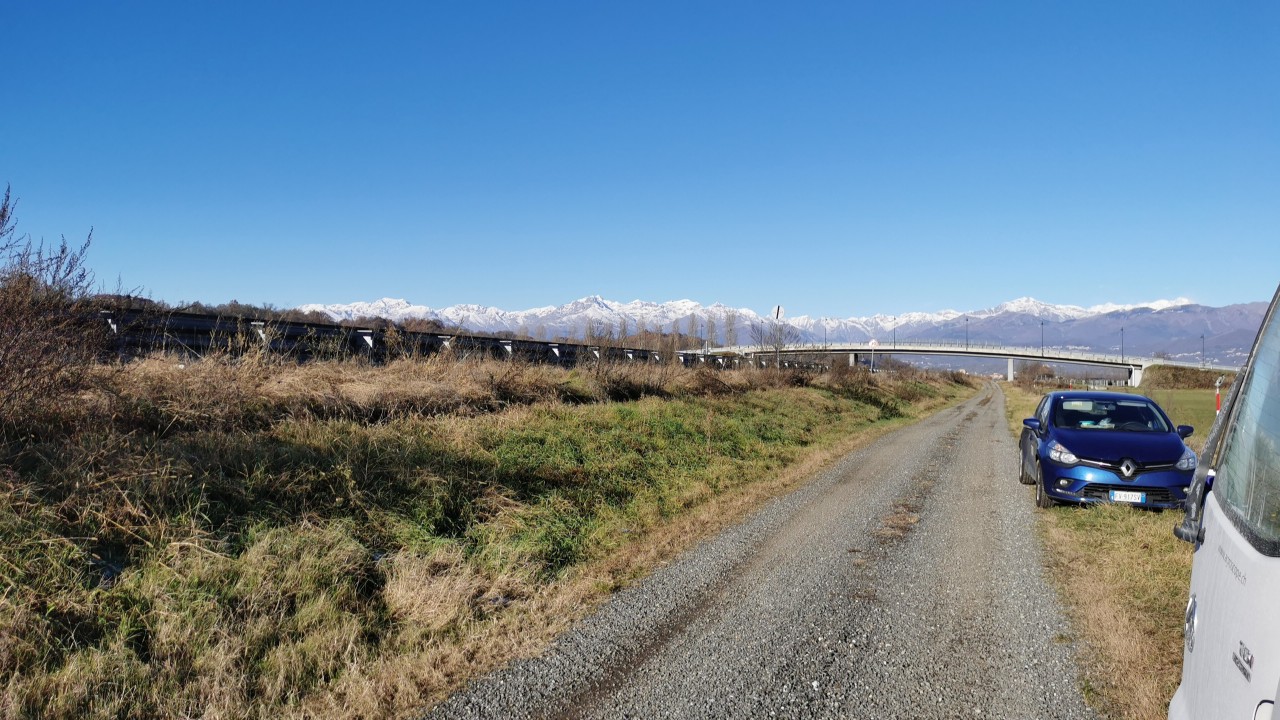
To continue with experiments in the lab, we needed more Japanese beetle larvae, a lot more. So we decided to go on a field trip on the 7th of December 2021. It was the first train of the day which took me to Agroscope where we headed off to Mottalciata, Piedmont region. With two cars and seven people, we left freezing cold Switzerland in hop...