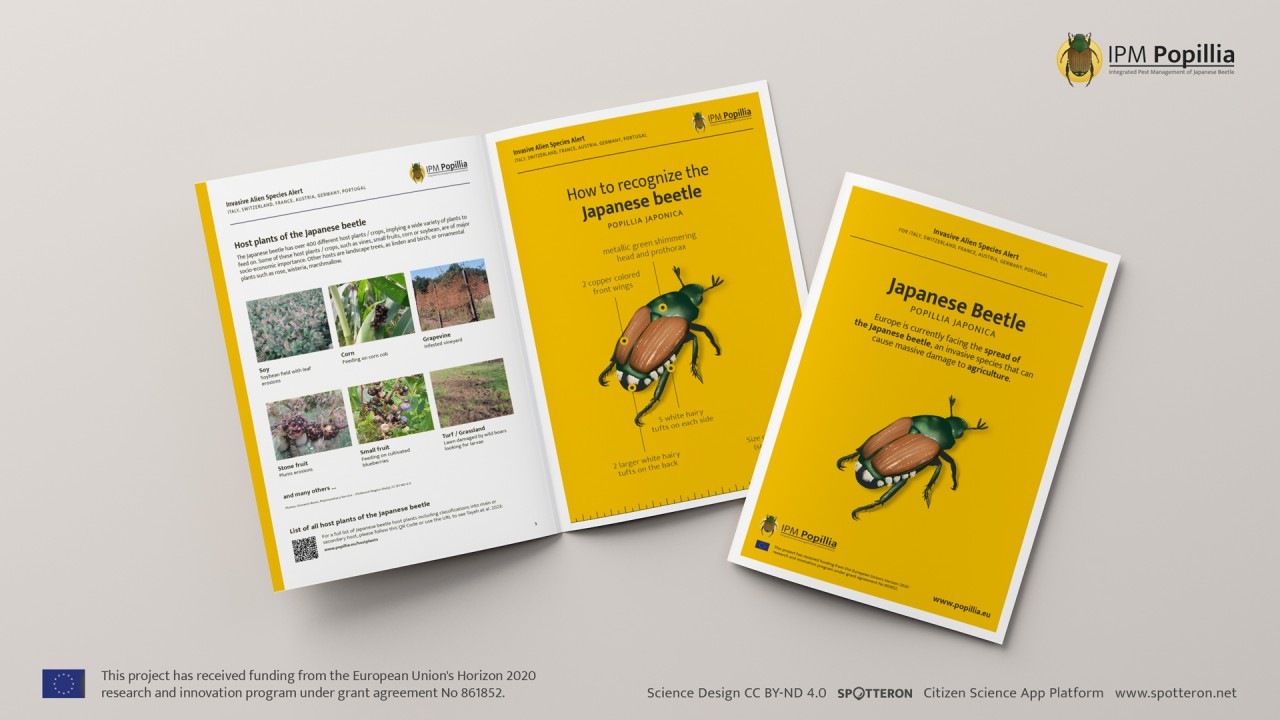
In recent months, the IPM Popillia Consortium has collaborated with SPOTTERON to create informational and dissemination materials about the invasive Japanese beetle (Popillia japonica), which has been spreading across Europe for several years. Recently, the materials were published and sent to contacts in the agricultural sector and plant heal...

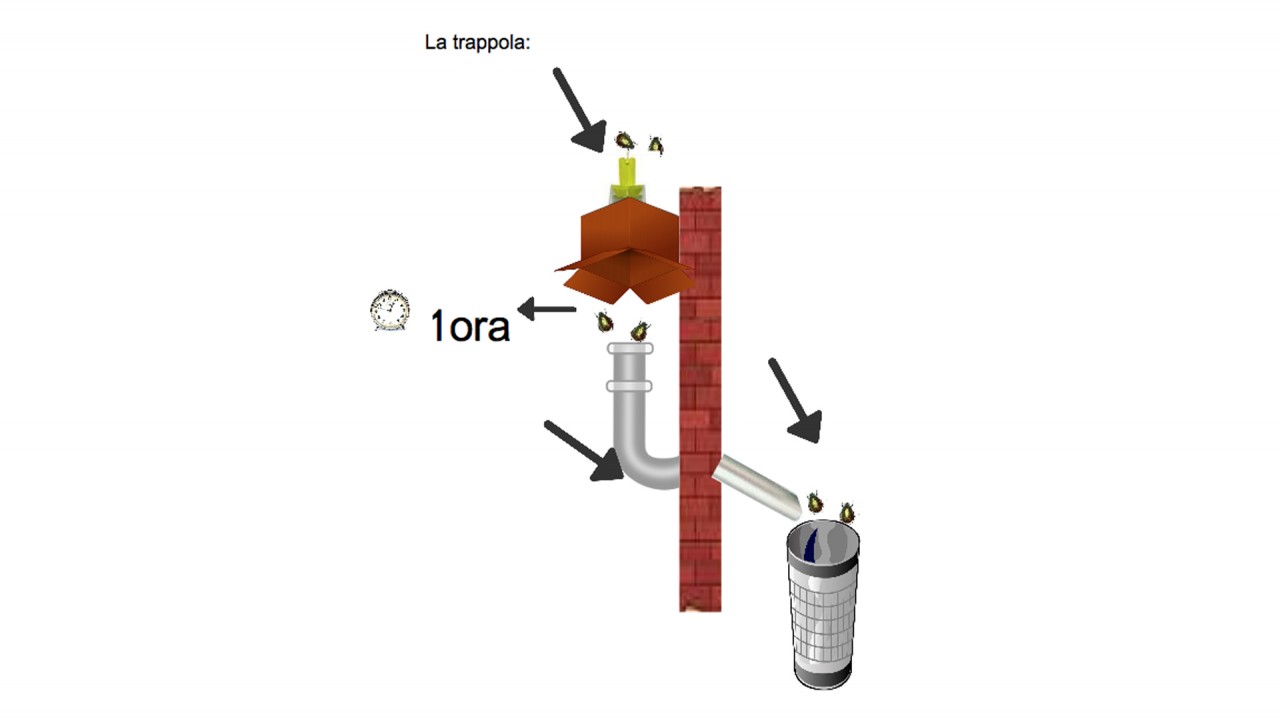
Prof. Francesco Nardi (University of Siena) and Prof. Rossella Annoni (junior high school G. Falcone, Cassina de' Pecchi, Milan) have been working together, this past year, with class 2D (12-13 years old pupils) on Popillia within the context of the dissemination program 'a scientist as pen-friend'. Pupils have been engaged on the daily practices o...
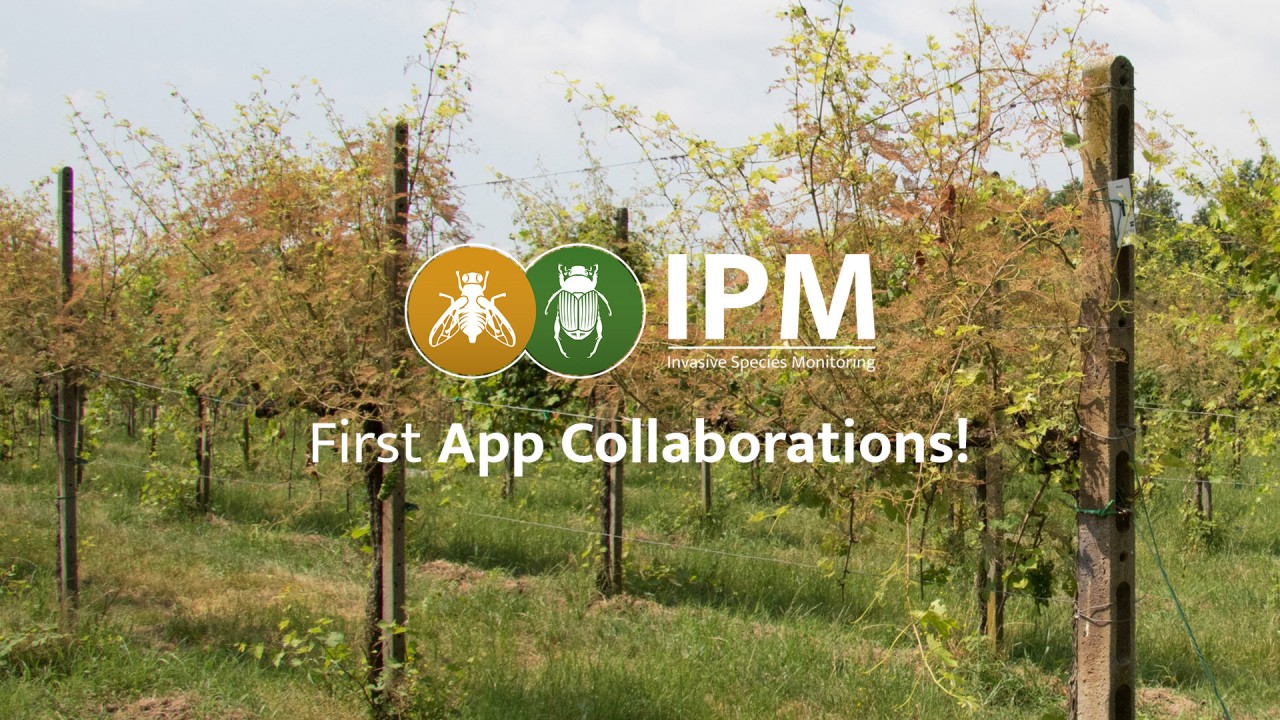
To increase the reach and sustainability of funding, the IPM-Popillia Citizen Science App Toolkit can open up collaboration with other research or monitoring projects regarding controlled pest species or invasive species. First talks have been held with the REACT Horizon 2020 project about two invasive fruit fly species, and EASIN, the Eu...
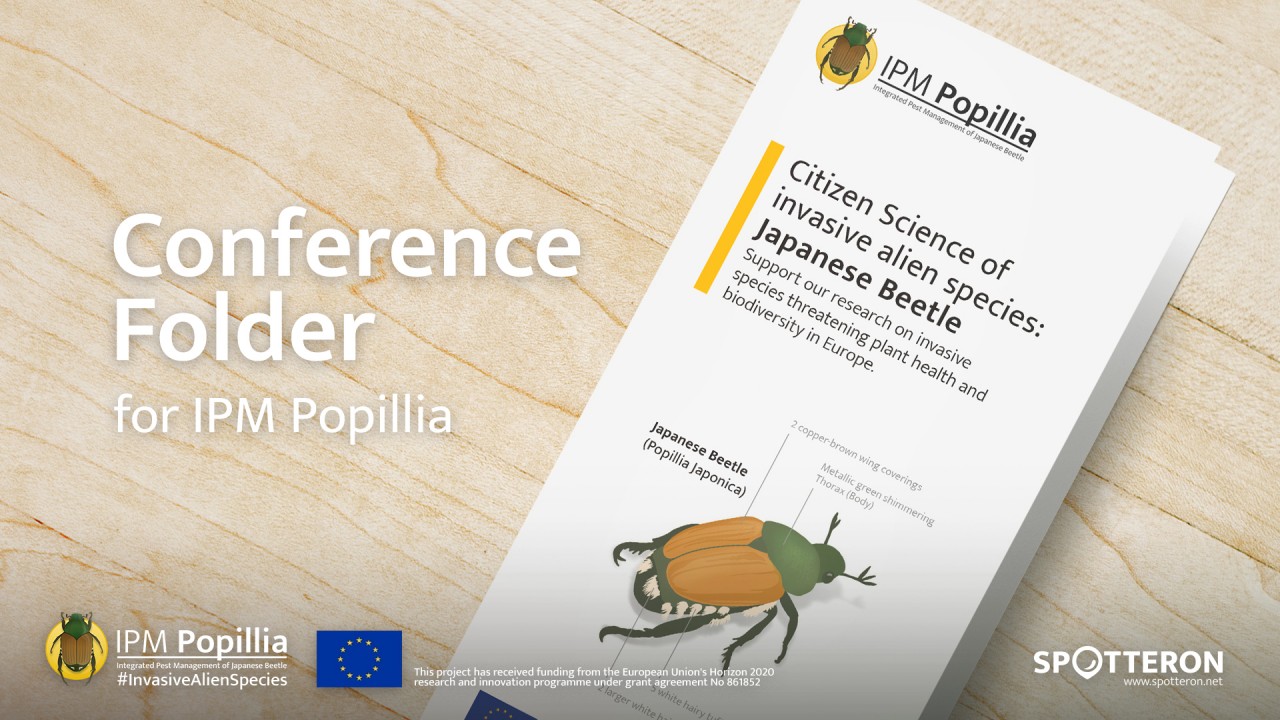
SPOTTERON designed a folder for IPM Popillia for the Italian Citizen Science Conference in Pisa, which we attended last weekend. This folder serves as an introduction to the project for fellow Citizen Science initiatives and individuals potentially interested in becoming Citizen Scientists. It includes key details about the project, insights on&nbs...
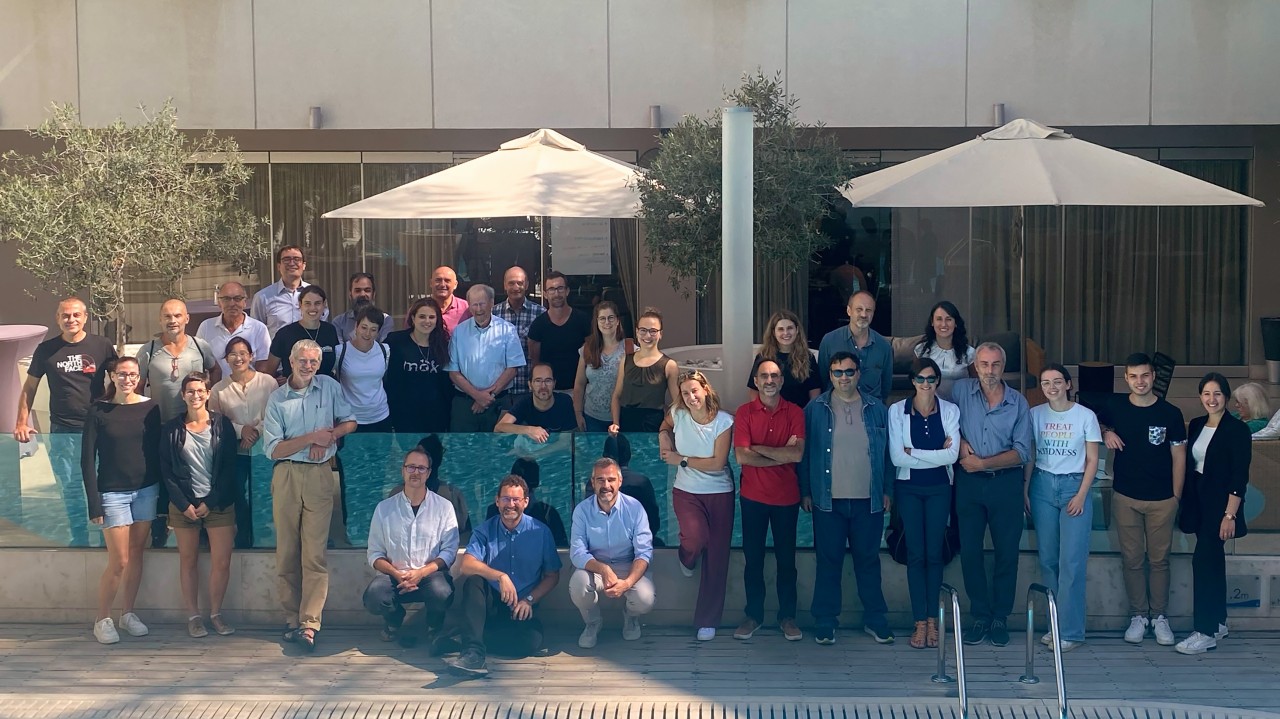
From October 18–20, 2023, members of the IPM Popillia consortium came together in Heraklion, Greece, for the yearly General Assembly of the IPM Popillia project. The event provided the possibility of gaining insight into and learning about the progress and developments made in the different interdisciplinary work packages of the project. At the sam...
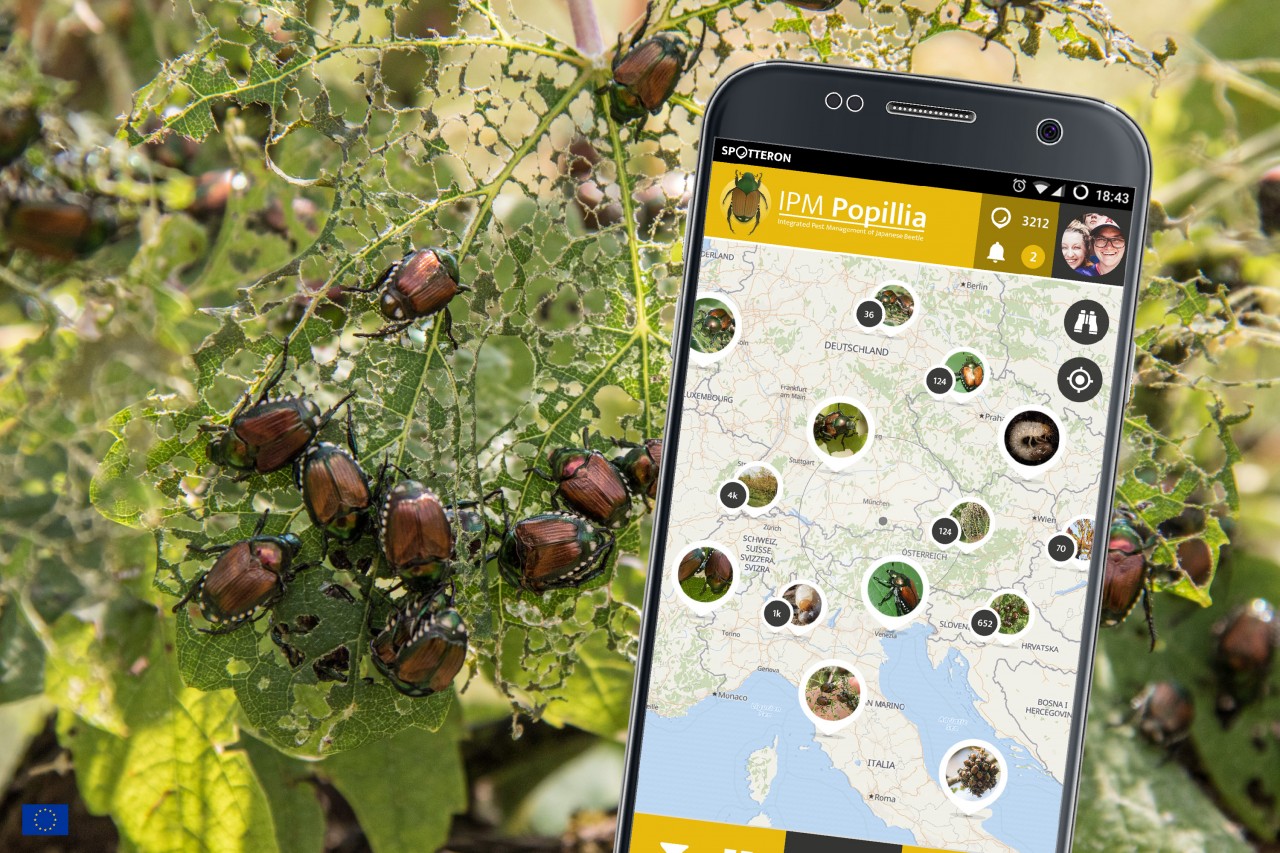
For some time now, we have opened up our Popillia Japonica research to Citizen Science. With the support of volunteer Citizen Scientists, we are trying to gather more information about the distribution of the Japanese beetle through the IPM Popillia's Citizen Science App. Invasive species such as the Japanese Beetle pose a severe threat to biodiver...
Regulatory reporting of invasive alien species or controlled pests such as the Japanese beetle to national authorities can be challenging for citizens. Therefore, in the IPM Popillia Horizon 2020 project, the "Automated Reporting System" (ARS) was developed by SPOTTERON for the IPM Popillia Citizen Science App to process automated reports and...
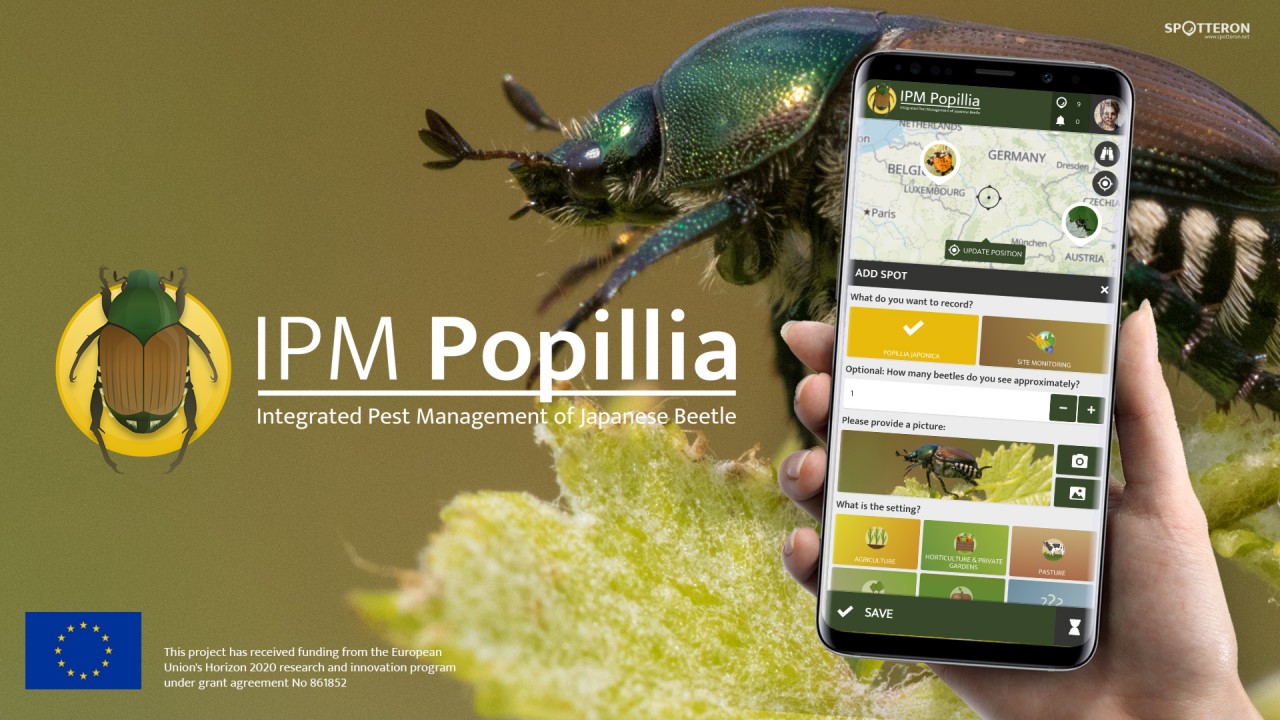
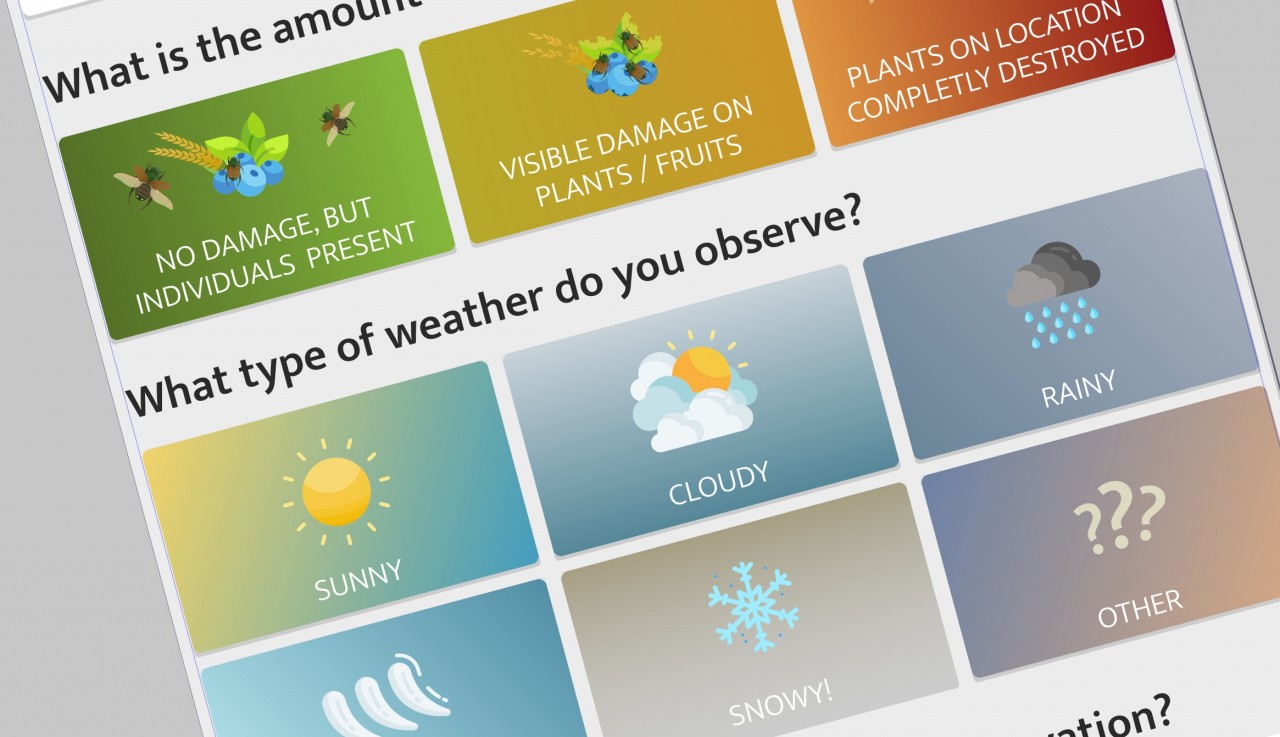
A deliverable is done. We just have released the first version of the IPM Popillia Citizen Science App! This first release marks a significant achievement; from now on, our consortium members and farmers on location can start recording Popillia japonica sightings on their smartphones and contribute to the IPM Popillia data-set. The App running...
One of the beautiful things in developing #CitizenScience Apps on @SPOTTERON for research projects is that we always learn something new. In every App project, making inquiries about the topic, scope, and science is crucial for designing the data structure input dialogue and the look & feel of a new Citizen Science App on the platform. Integrat...
The year 2022 has just begun. Right after the holiday season, we at SPOTTERON Citizen Science Platform have started the first phase of direct production and creating the definitions for the IPM Popilla Citizen Science Smartphone App - what a start for a year! In the past, we have already prepared many building blocks and parts to launch our fi...
With the new year approaching, we at SPOTTERON have started planning and creating concepts for the IPM Popillia Citizen Science App for public participation. In this early stage, options are present for either having a focussed App for discovering the Popillia japonica beetle in already infested regions or to think on a broader scale for ...